
319.572.7533
What are the Best Toys for a Cavapoo Puppy?
April 10, 2026
You would think a topic like this would not warrant a blog post, but believe it or not, there are a few very important things you need to know! Have no fear, we will give you the full breakdown!
1. Avoid rope toys for a Cavapoo Puppy
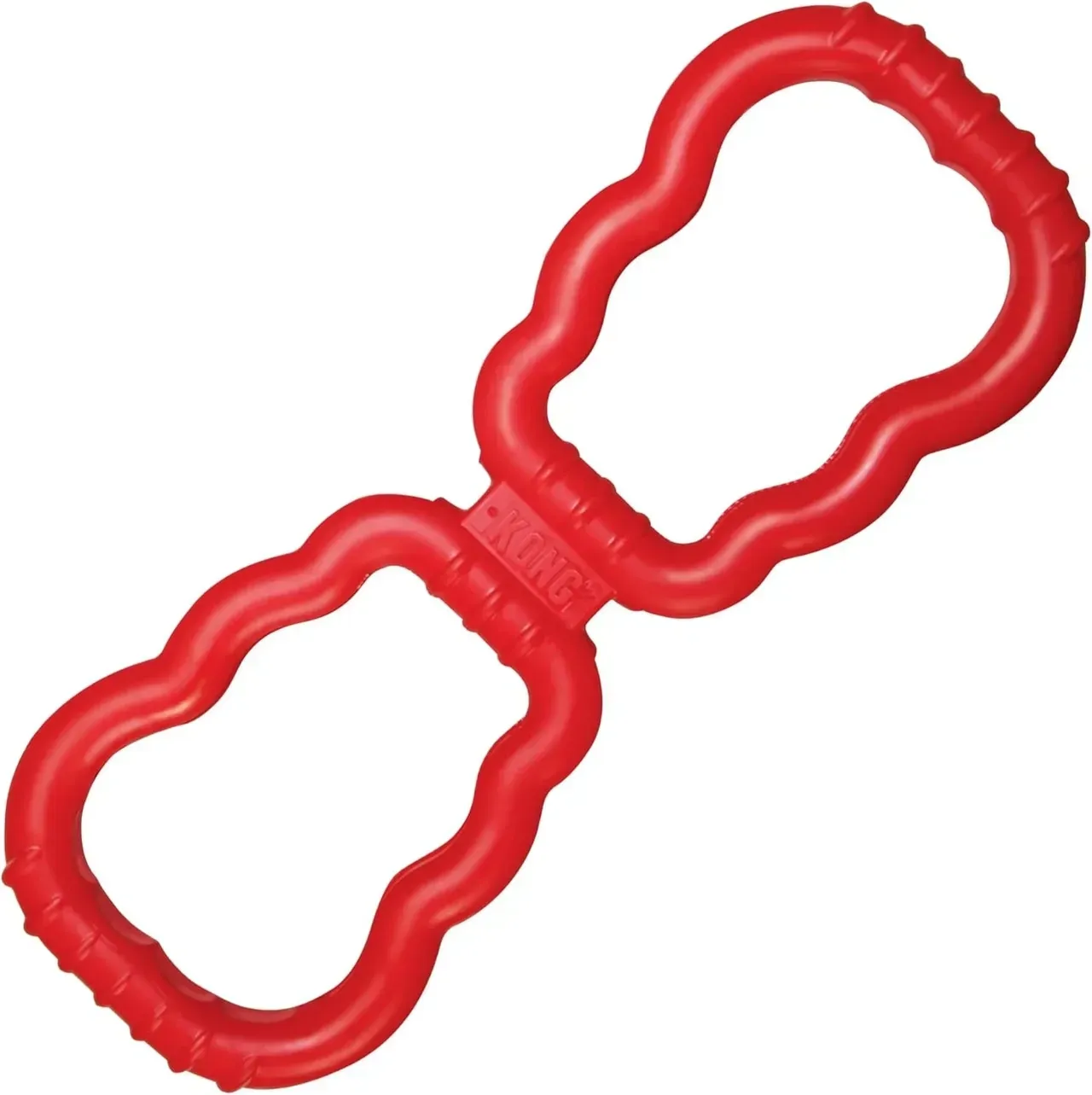
While dogs can typically pass foreign objects, a rope can pose a serious threat. If a strand gets swallowed it could possibly cinch around the stomach or intestines and cause serious problems! Instead go for a different tug toy! We will list some options below.
2. Go for puppy toys with added nutrition!
There are plenty of dog toys that your puppies aching teeth can safely gnaw on and also get nutrition from it! A great option would be Raw Bone Marrow Bones! Cooked bones can be dangerous for them, but the raw ones are a great treat. The marrow provides great collagen and glucosamine to help your dog's coat and bones grow strong!

3. Choose a puppy toy that adds mental stimulation and physical nutrition
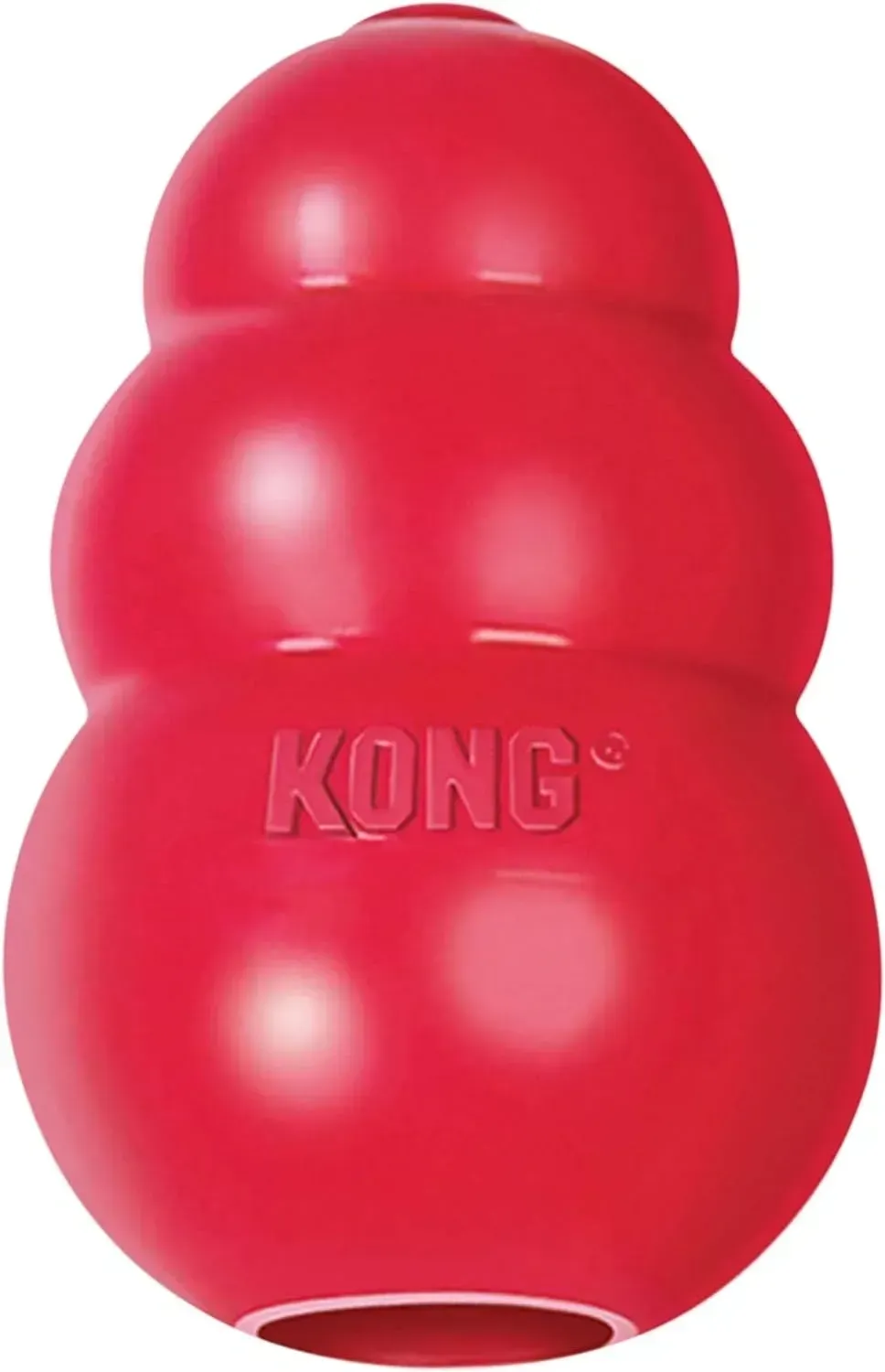
If your dog is food focused and gets bored easily, a kong toy is for you! These toys keep them entertained for hours and their hard work profits them treats! You can fill these toys will all kinds of things that add great nutrients to your pups day as well as tons of fun! These are also safe from any choking hazards which is great for a small puppy. Our dogs love when we fill them with peanut butter!
4. Avoid rawhide
This one is a touch controversial in the dog community! Some say it is a great for dogs' teeth, while others say it can cause blockages in the intestines due to the length of time it takes to digest. We like to err on the side of caution, and there are some great substitutes for this toy so in our opinion, it's just not worth it.
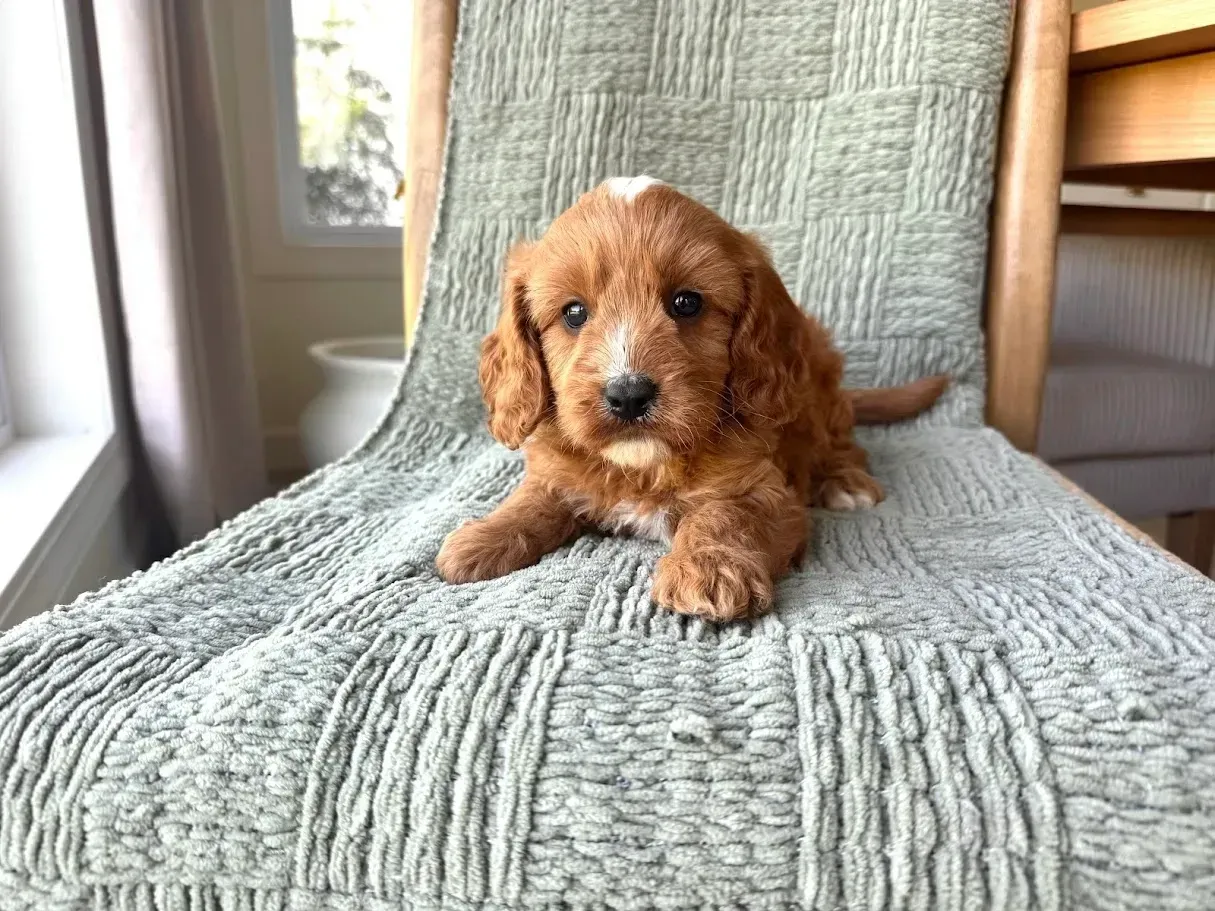
I must say I can't believe this is something we have to be aware of, but sadly it is and it's very important to ask the right questions! We have been hearing of more and more scams people have been victims of that are very intelligent and believable. Aside from scams, AI can often make the most unexperienced breeders appear more credible and reliable. Thankfully there are a few things that AI just can't fake, and we are going to walk you through the questions to ask when seeking out a responsible, real breeder. What to ask your perspective breeder, 1.) Can we facetime or video chat with the puppies and/or the moms? This is the most telling question of them all. There is no reason that a real, responsible breeder would not be willing to video chat aside from the fact that they are not real, or they are ashamed of the condition of their dogs/faculties. Either way, you don't want to move forward there. 2.) Can you provide references from past Puppy Buyers? If they are a legit breeder who have treated their puppies and customers right, they should absolutely be able to provide you at least one reference. I do understand there are families that want their privacy, but we have found that if you provide a good experience, most people are happy to be contacted as a reference. If they are not willing to offer this, it is a red flag. 3.) Do you offer health guarantees/ genetic testing on your puppies and parents? This is another big one! Genetic testing is not a hard thing to attain these reports. There is really no reason that a breeder that takes things seriously would not have at least some form of genetic testing done. This is totally something you can ask for from your breeder! Health Guarantees are another sign of a good breeder. They can vary in what they cover but most of the time that we (or whoever your breeder is) will cover the cost of any genetic issues up to the price of the puppy. Feel free to ask specifics if you are confused or need clarification. 4.) Would you take the puppy back if needed? This is not so much an ai problem, but this is a very telling question. We always say that good breeders are actually preventing dogs from ending up in shelters because we understand that we are responsible for them even after they are in their new homes. Thankfully this is very rare, but it has to be something your breeder is willing to do and something we have had to do ourselves. 5.) What vaccinations, deworming, and vet care does my puppy receive before going home? Your puppy will need several different vaccinations and de wormers before they come home to you. This is something that should absolutely be done by your breeder or their vet before they send the puppy home to you. They cannot be fully vaccinated yet if they come home around 10 weeks, but the first round of things should be done. As well as that your puppy should be checked by a vet, and you should be given a written and signed report of their health. The vet will check for things like hip mobility, heart murmurs, teeth placement, ear infections, etc. That being said, it is of course possible for the vet to miss things, but this is a vital step that you need to make sure is part of your breeder's routine. Overall, we still like to think people are good, but we have heard some wild stories so it's so important to be aware and to be asking the right questions. If you do this, you will be able to sniff out the bad eggs pretty quickly and maybe even report them. Good luck!
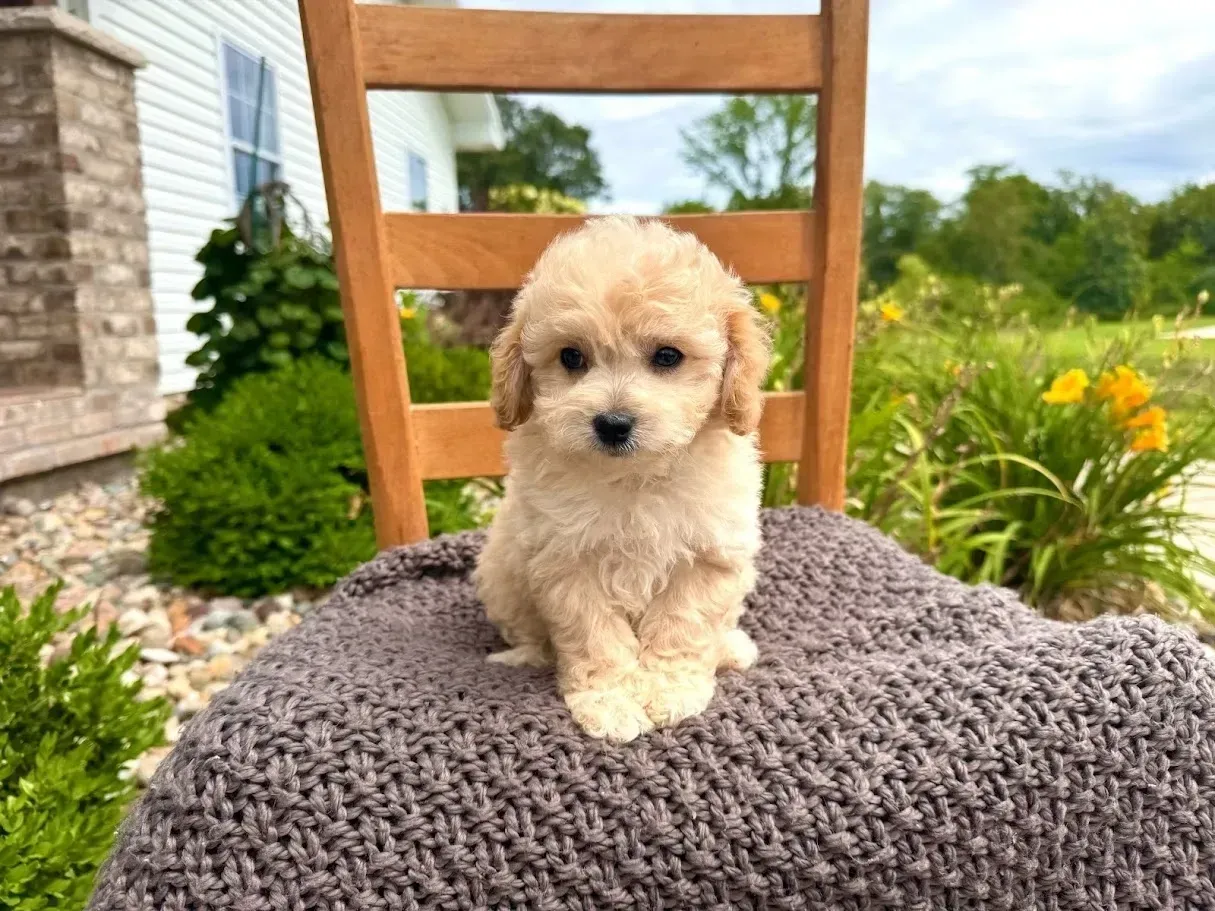
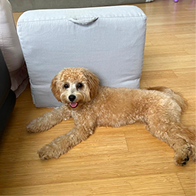
Meet Our Adorable Cavapoochon Girls: Molly, Rosie & Lulu If you're looking for the perfect companion with a sweet temperament and a heart-melting face, look no further than our current Cavapoochon girls—Molly, Rosie, and Lulu! Each one has a unique personality and charm, and we’re so excited to introduce them to you. Please reach out to us if you would like to set up a video chat and meet any of these precious girls!
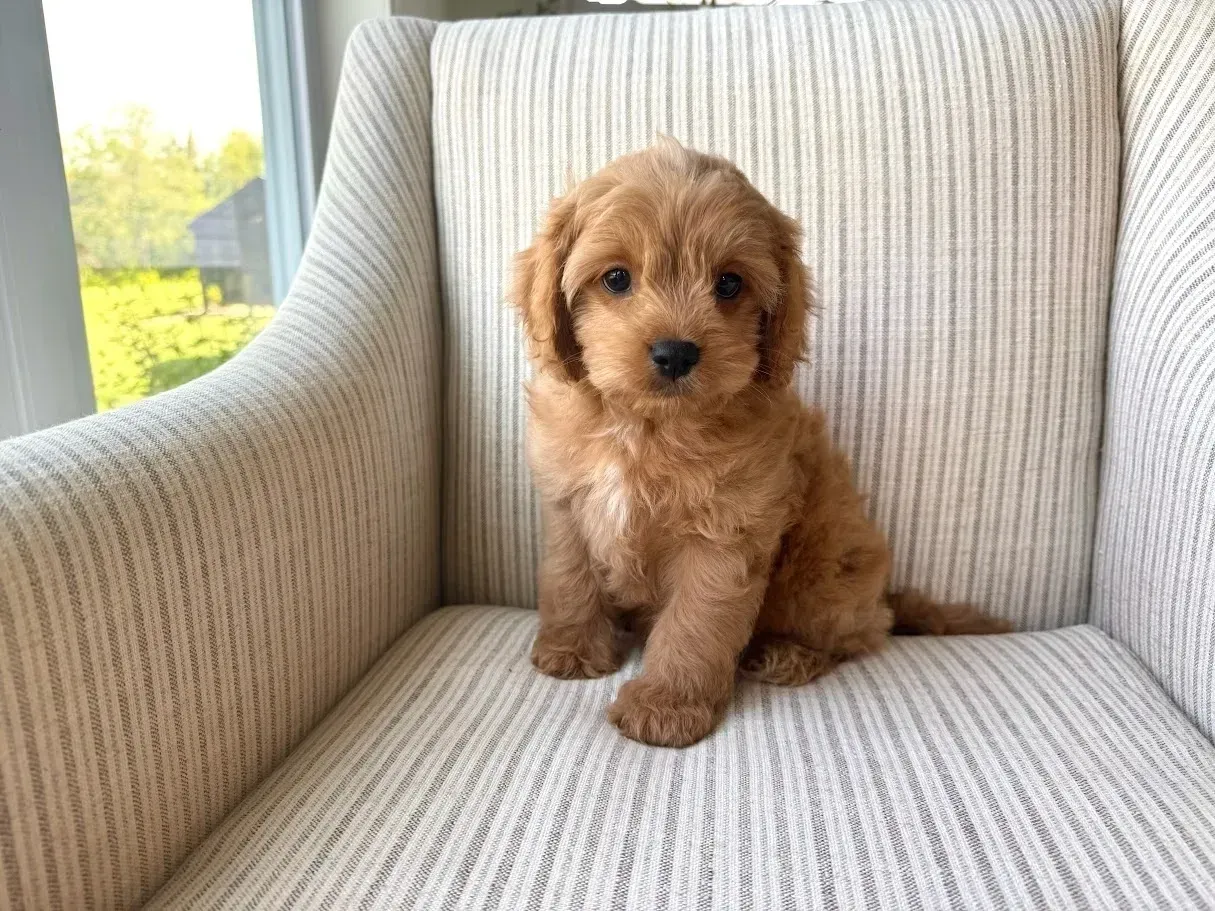
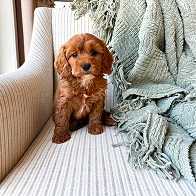
Meet Kobe the Cavapoo! He was born on April 9th and is the son of Piper & Bruno! Kobe had already found his family, but his new human parents are expecting TRIPLETS! :D So rightfully so, it just was not a good time for them to bring in this sweet little boy! Kobe will weigh around 15 lbs. once he is fully grown and have a wavy & brown coat! Here is a link to more pictures and also check out the video below! https://pleasanthomepuppies.com/available-cavapoos#66a679f4-e9fd-4c1c-9727-a650385e3c23 Would love to hear from you, if you are interested please reach out and we can schedule a video chat and introduce you to Kobe!
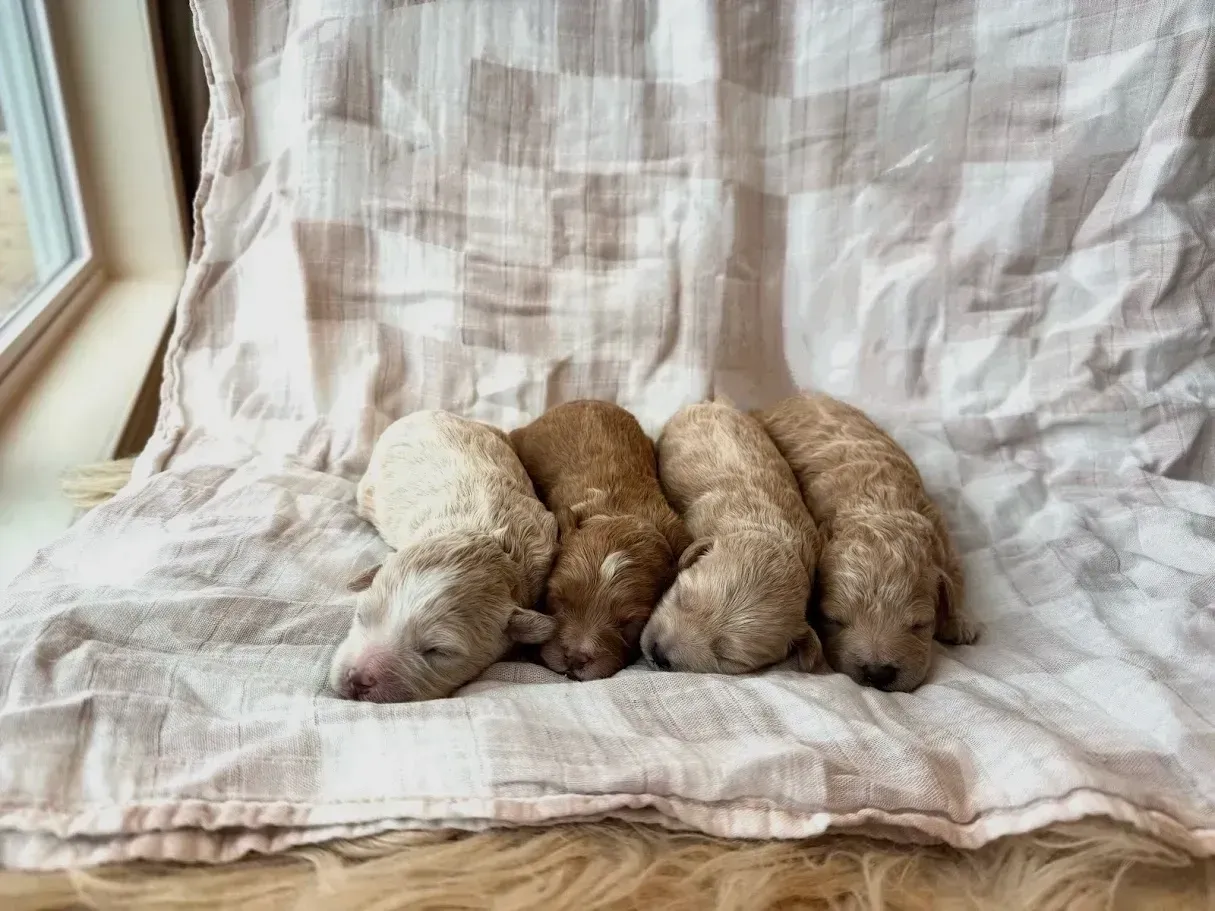
If you need a breakdown of all the puppies we have/ anticipate having this summer, look no further! The way our dogs heats lined up will make this the most puppies we have ever had at once so bear with us :) We are so excited! Cavapoochon Litters Cavalier + Bichon = Cavachon Cavachon + Poodle = Cavapoochon Kate welcomed her 4 beautiful Cavapoochon puppies on March 19th! Mom and babies are all doing great. Kate is a truly wonderful mom and is loving this new role. She had three lovely girls and one handsome boy! There is one spot left on her litter, which will be ready to go home the end of May. Click the photo below for more info on this litter!
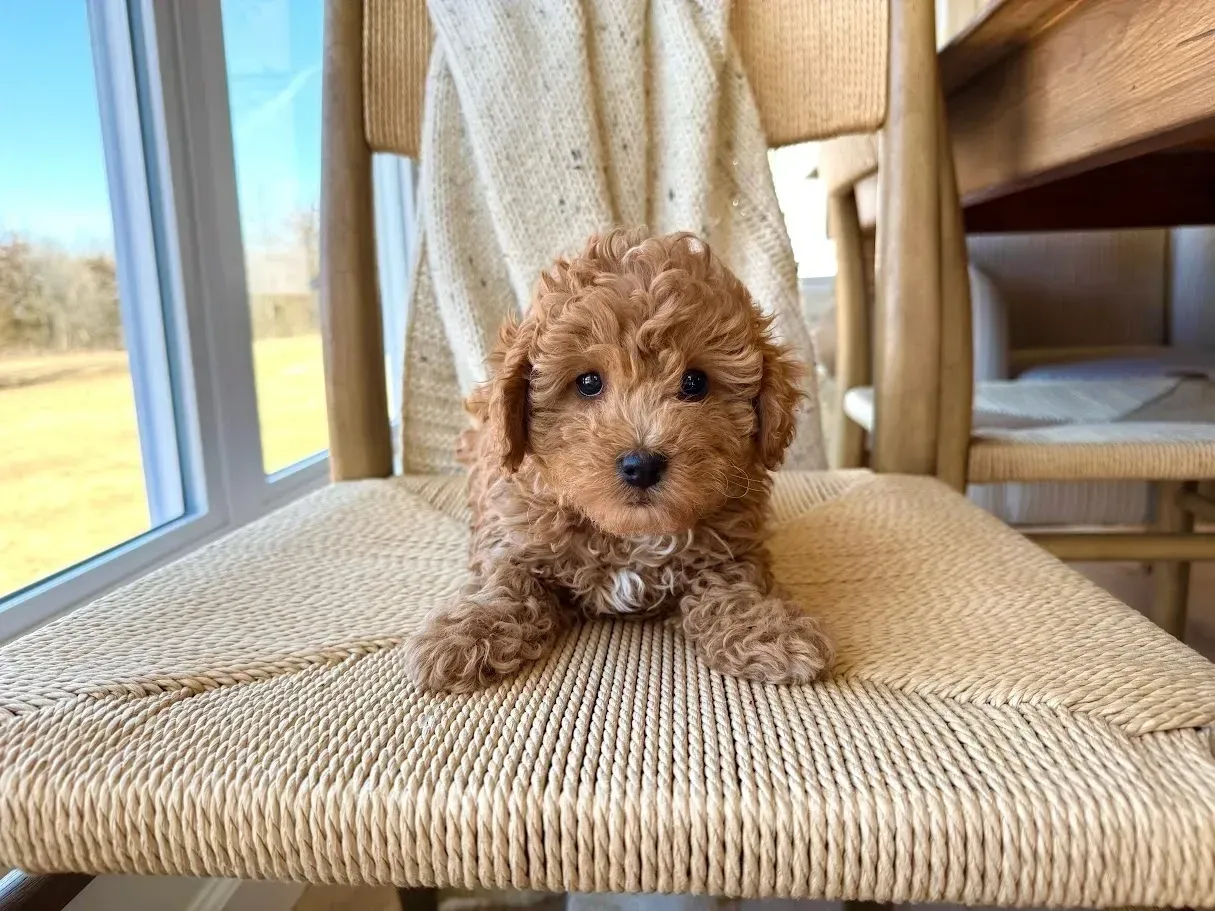
We often joke that bringing home a new puppy is like bringing home a baby...although we say it in jest, there are several major similarities! Nothing to be scared of, but some realities that we believe it is good to be prepared for. Let me break it down for you, What To Expect with a new Cavapoochon Puppy All puppies react differently to the first day in their new home, but for the most part they are all fairly similar. We try our best to prepare them for this transition with various different applications, but the reality is they are leaving all that they have ever known and are thrust into a new place with new smells, sounds, people, & other pets. As well as a huge travel day on top of that that often causes an upset belly and some nausea. Because of all this it is common to see some shaking, hiding, slobbering and/or nausea, whining, shyness etc. These should all go away within an hour up to the first night, depending on the dog and if it does not please reach out to us. We will send a blanket that was with your puppies siblings and mama so keep that close for some familiarity. If your puppy experienced a lot of nausea during their travel home we highly suggest making sure they get a meal and water before bed that night. We send a syringe of water and a high calorie supplement with every dog to ensure you can get something in them if they refuse to eat and drink. This is very rare but has happened so we just want to be sure we cover all the bases! The First Night with your Cavapoo Puppy When I say the first night, I really mean the first week sometimes. It is normal to expect whining from your puppy. Sometimes very loud and for a long time and sometimes not at all! It just totally depends, but it is to be expected to some degree. We also suggest taking your pup potty before bed and then once in the middle of the night for the first week they are home. You will quickly figure out your pups bladder capacity! Some pups need to go out more than once, some don't need to at all! You will also figure out where your puppy likes its crate to be. Some like to be alone in a room, some do better with a blanket thrown over it to make it a little more like a cave, and some like it to be placed where they can see you! This can really help the first few days of whining if you can find that sweet spot, but there is also nothing wrong with letting them "cry it out". As long as they have everything they need of course! Regardless of how you choose to go about this, the whining is just a stage and does not last long! The Daytime Hours/Potty Training We highly suggest crate training. We have used this personally many times and have seen the crate become a safe and enjoyable place for our dogs. The first few weeks your puppy will spend a lot of time in their crate but once again that does not last long and eventually if they don't learn to love it you can axe the crate all together. I will post our full potty schedule below for reference. Anytime out of the crate will require constant supervision to ensure you are catching accidents and taking them to their potty area :) A new puppy + free reign of your house = a recipe for disaster. Putting up baby gates or shutting doors to certain areas until they are potty trained is a great idea. Do Cavapoochon Puppies Chew? Puppies go through a brutal cycle of losing all of their puppy teeth. While this happens and before the process starts, their teeth really ache and it soothes them to chew. Get them lots of chew toys of various kinds and if they are ever chewing on something they are not supposed to, replace it with a toy. This doesn't last super long and gets dramatically better once their teeth stop aching, but it is something to be aware of! Also don't be startled if you see a tooth pop out :) In Case I Scared You Off Yes, there are things to be aware of but let me tell you, the love and joy that little puppy will bring to your home is worth it all. We truly believe God gave us dogs purely for our enjoyment and to feel real unconditional love. They are a blast and only add to your life, never take. The puppy stage can be challenging but we want to be here every step of the way so always feel free to reach out! Our pups love to be outside so take them on lots of walks, get them used to those collars/leashes that they hate so much at first and just have fun!
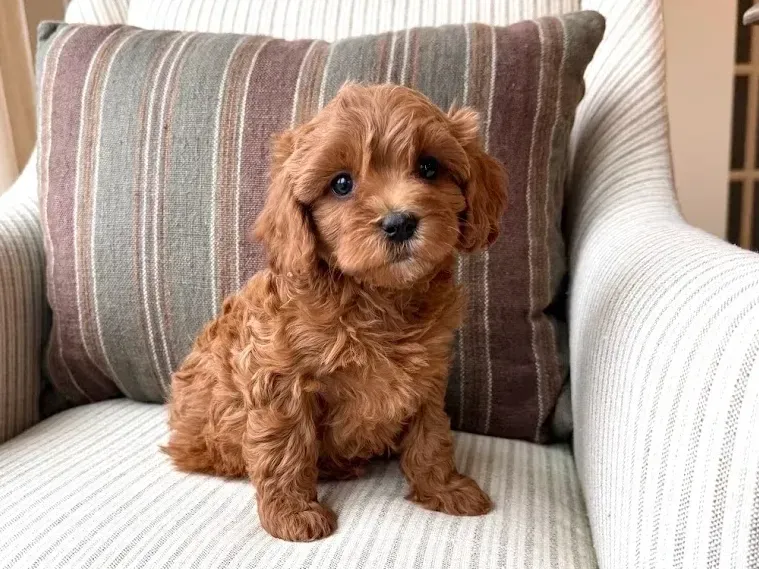
How to Introduce Your Puppy to Your Home: A Step-by-Step Guide Bringing a new puppy into your home is an exciting moment, but it can also be a bit overwhelming for both you and your pup. One of the first things you'll want to do is make sure your puppy feels safe, comfortable, and secure in their new environment. Often times your puppy will have to go through a big travel day to get to you and they may be a little out of sorts. They have also left everything they know so it is important to give them grace and understand their possibly timid personality is only temporary. In this blog post, we'll walk you through what we have found are the best steps to introduce your puppy to their new home. 1. Prepare Your Home Beforehand Before bringing your puppy home, make sure your home is puppy-proofed. Bringing home a puppy is not too dissimilar from bringing home a baby and requires similar steps :) Puppies are curious, and they tend to explore their new surroundings by chewing, exploring, and sometimes getting into mischief. Here’s how to get ready: Create a Safe Space: Set up a quiet area where your puppy can retreat to when they need rest or feel overwhelmed. This could be a crate or a small room with a bed, toys, and water. We highly recommend crate training and having a small play pen as well for play time outside of the crate. Giving your puppy free reign of your home right away will guarantee potty accidents. Remove Hazards: Puppy-proof your space by securing electrical cords, removing dangerous items (like household cleaners or small objects that could be swallowed), and blocking off areas where they might get into trouble. Prepare Supplies: Have essential supplies ready, including food and water bowls, food, treats, toys, a bed, a leash, collar, and grooming tools. 2. Bringing Your Puppy Inside The first step of the introduction happens when you actually bring your puppy home. Puppies are sensitive to new experiences, and the first few moments in a new place can be overwhelming. Keep It Calm and Low-Key: Try to keep the environment calm when you first bring your puppy inside. You may want to limit the number of people in the room to avoid overwhelming them. Let them take in the new smells, sounds, and sights at their own pace. Lead with Positive Experiences: When entering your home, bring them in with a calm and reassuring voice. Encourage positive associations with their new home by offering treats, soft praise, and gentle petting. 3. Introduce Family Members Slowly Introducing your puppy to other family members and pets should be done gradually to avoid overwhelming them. Introduce People One at a Time: If you have other people in your household, introduce them one by one, especially if there are young children involved. Have everyone remain calm and gentle around the puppy to avoid creating stress. Introduce Pets Gradually: If you have other pets, particularly dogs or cats, introduce them carefully. Consider using baby gates or a leash to control the interactions at first. The key is to ensure the puppy doesn’t feel threatened, and the other pets have time to adjust as well. 4. Establish a Routine Puppies thrive on routine. Establishing a consistent schedule from the beginning will help your new puppy feel secure and understand what to expect in their new home. Set Regular Feeding Times: Stick to a consistent feeding schedule, which will help your puppy understand when to expect meals and will also give you a better idea of when they will need to go potty. Create a Potty Schedule: Take your puppy outside frequently, especially after eating, drinking, waking up, or playing. This will help with potty training and prevent accidents. Establish Sleep Time: Make sure your puppy has a designated sleeping area. A crate can be a great way to give them their own space while also helping with house training. 5. Socialization and Positive Reinforcement Socializing your puppy early is essential for their emotional and behavioral development. Expose them to different people, pets, environments, and situations in a controlled way to help them grow up well-adjusted. Introduce New Experiences Gradually: Whether it’s going for a walk, meeting new people, or encountering other dogs, make these experiences positive by offering praise and treats. Use Positive Reinforcement: Reward good behavior with treats, praise, and affection. Puppies learn quickly when they’re positively reinforced, so use this method to help them understand what is expected. 6. Monitor for Stress or Anxiety It’s normal for your puppy to feel anxious or stressed in a new environment. Signs of stress include whining, pacing, hiding, or reluctance to explore. If your puppy seems overwhelmed, give them time to adjust. You can also help alleviate anxiety by providing comfort items like a soft blanket or a toy that smells like their mother. 7. Give Your Puppy Time to Adjust Remember that the transition to a new home can be stressful for a puppy. Don’t expect them to adjust overnight. Be patient and understanding as they acclimate to their new environment. With time, they’ll grow more comfortable and confident in their new home. Final Thoughts Introducing your puppy to your home is a delicate process that requires patience, calmness, and a bit of preparation but it is exciting and so fun! By taking things slowly and focusing on positive reinforcement, you can help your puppy feel safe, loved, and confident in their new environment. The bond you form during this crucial time will set the stage for a lifetime of companionship, trust, and fun adventures. We will always be here to help if you need! Happy puppy parenting!
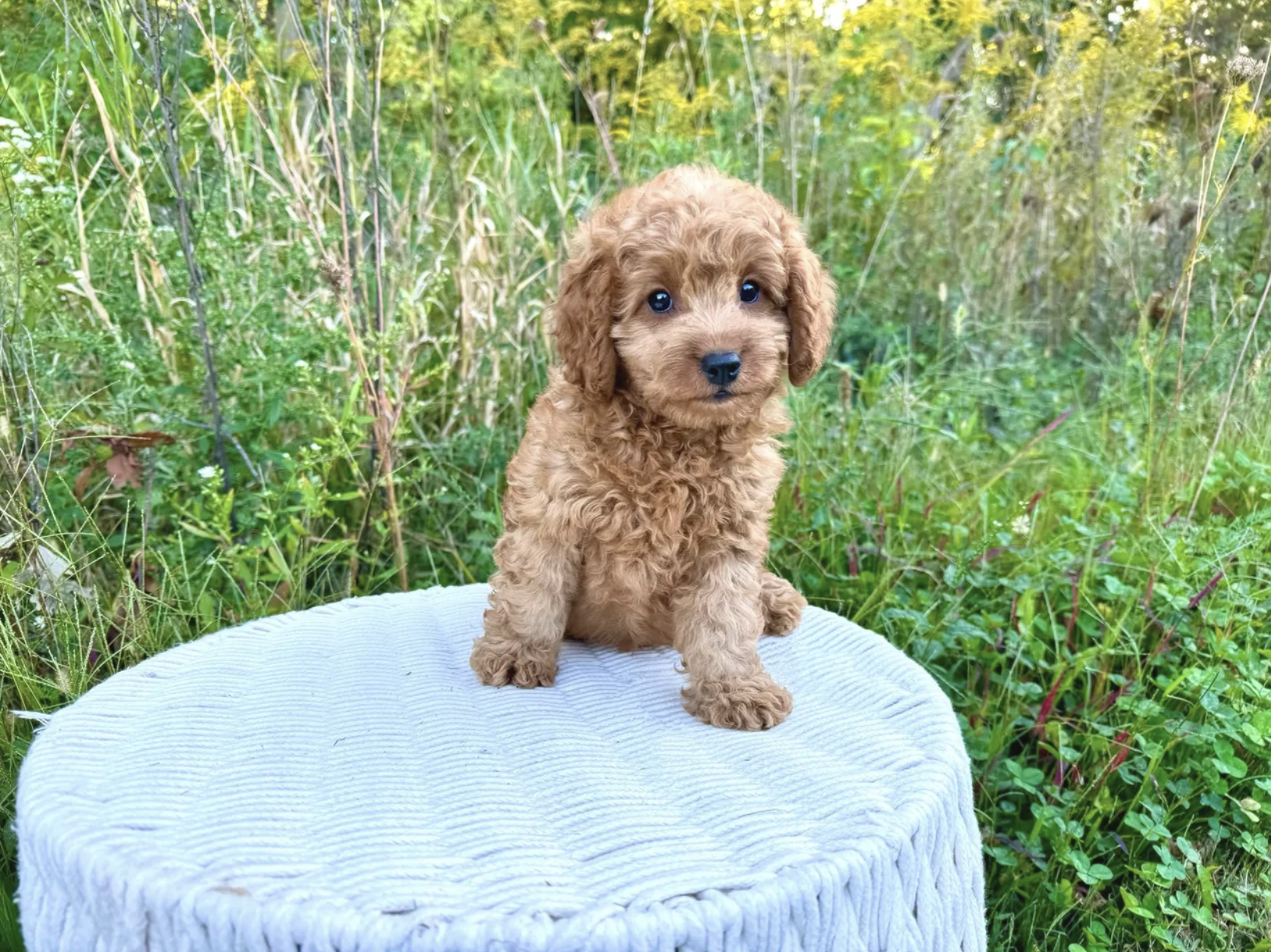
Charlie the F1B Cavapoo
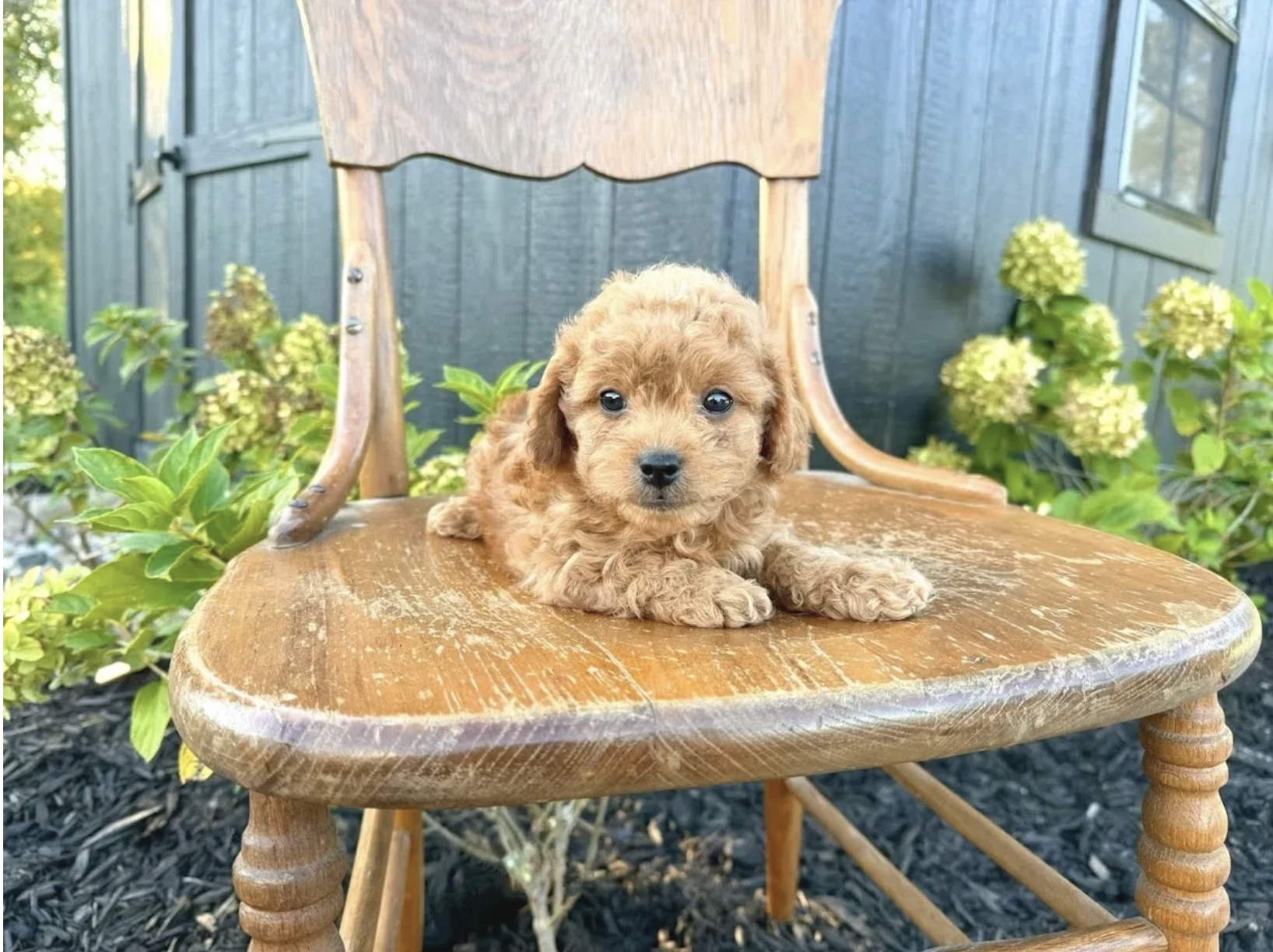
Don't miss out on the last chance to bring home one of our adorable F1b Cavapoo puppies this summer! We have four charming puppies still available, each with their own unique personality and irresistible cuteness. These F1b Cavapoos are a delightful blend of Cavapoo and Poodle! They promise to be the perfect addition to any family. Their soft, curly coats are non-shedding and hypoallergenic, making them ideal for those with allergies. Each puppy has been lovingly socialized and is ready to bring joy and companionship to their new homes. Act fast—these last summer puppies won’t be available for long! Allow me to introduce them to you , Meet Jack! Jack is a delightful bundle of energy and charm. With his soft, wavy coat and big, expressive eyes, he’s impossible to resist. Jack is incredibly friendly and sociable, always eager to make new friends, whether they’re humans or other pets. His playful nature means he’s always up for a game or a romp in the yard, but he also has a gentle side and enjoys snuggling up for some quiet, cozy time. Intelligent and eager to please, Jack responds well to training! His affectionate personality makes him a loyal companion, always ready to brighten your day with his boundless enthusiasm and love.
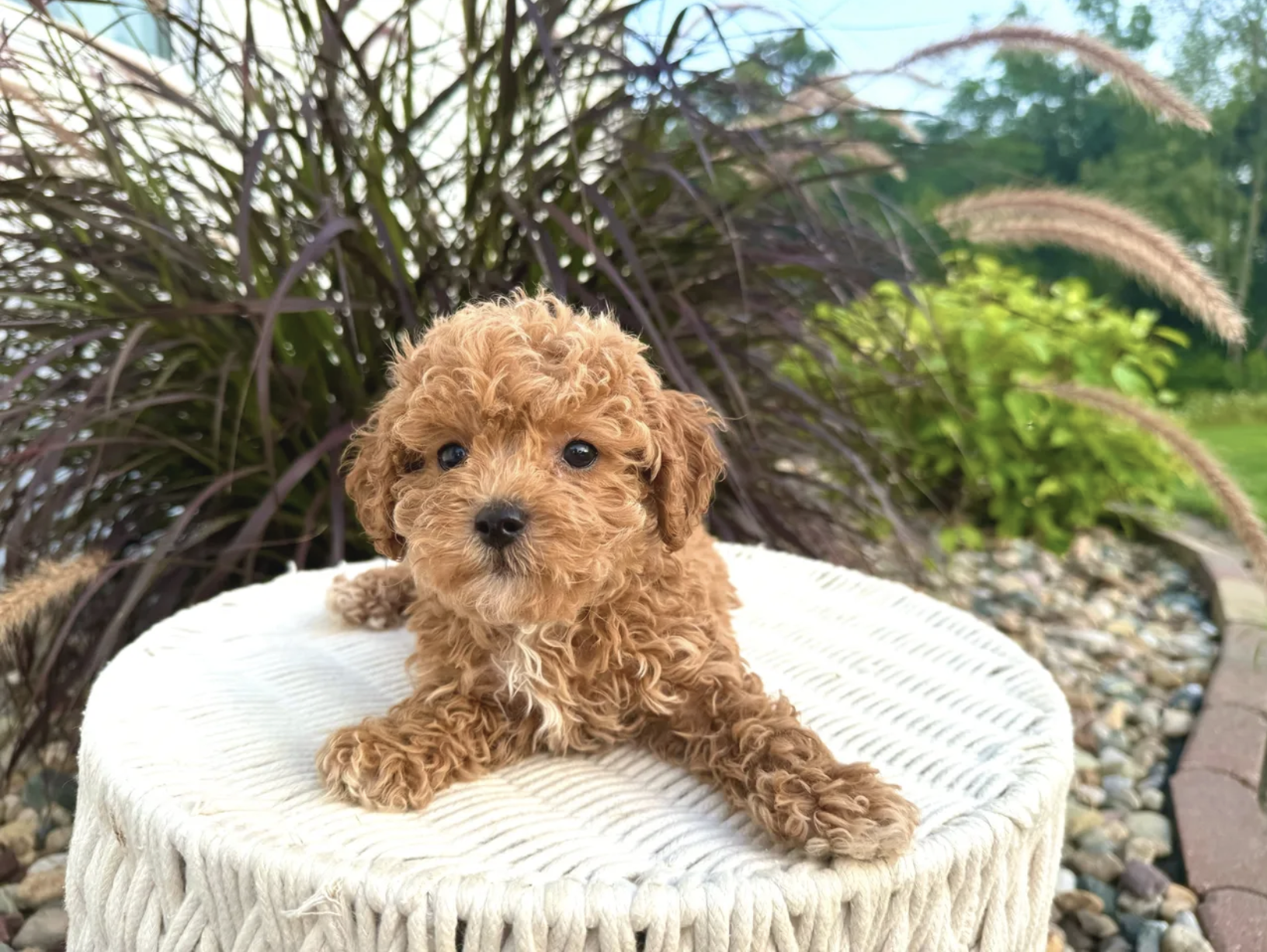
Meet our adorable trio of Cavapoochon puppies, each with a personality as charming as their fluffy coats! Alfredo, Caesar, Colby! As many of you know, these playful pups are a delightful mix of Cavalier King Charles Spaniel, Poodle and Bichon! Bringing together the best of three breeds. Alfredo - Male
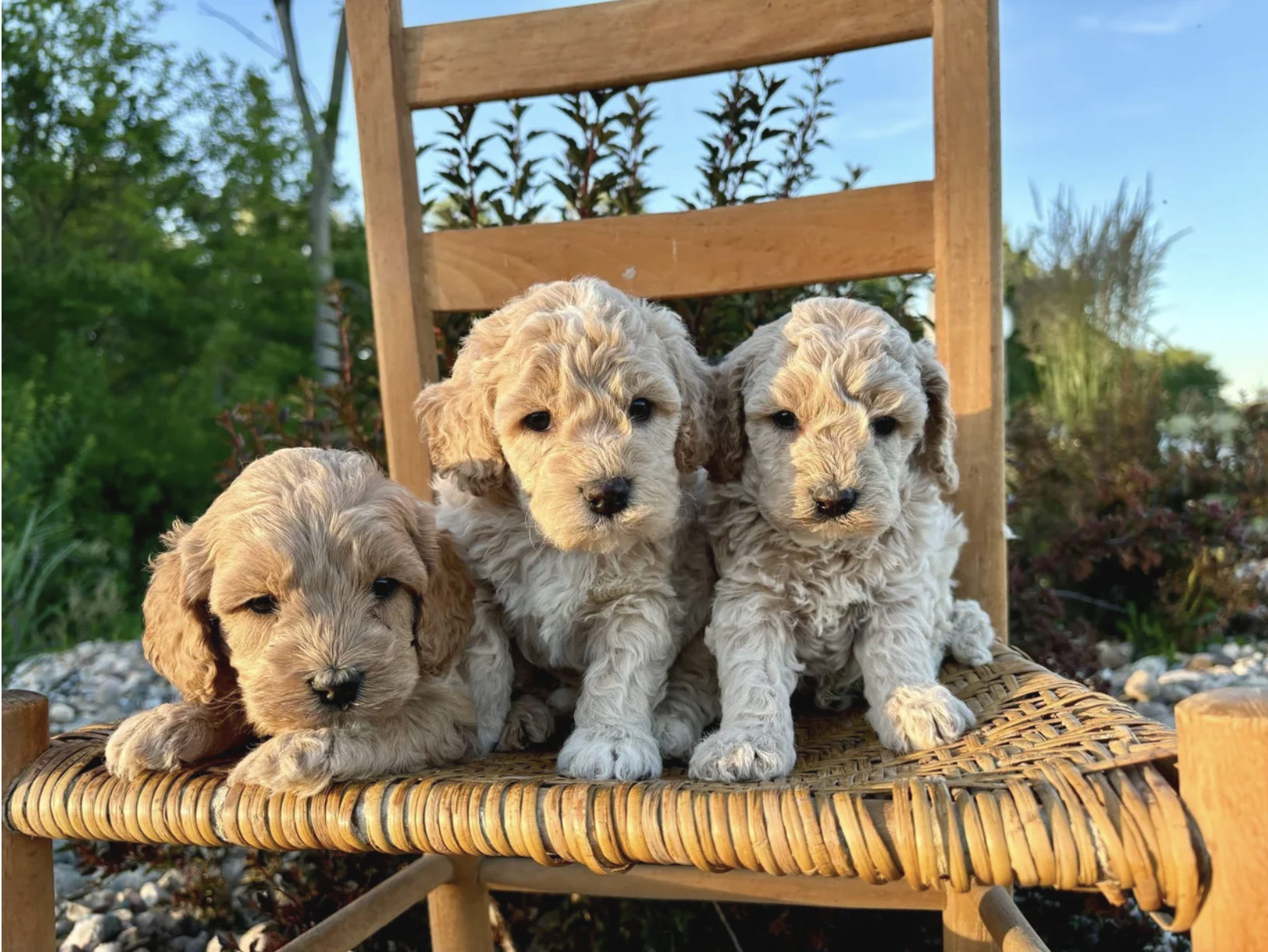
Younger photo of the boys! Left to right is Ace (Reserved), Asher & Lucky